 Department of Agricultural Technology,
 Rural Life Food Lab
General Education Course - Rural Life Food Lab
1. Course Content:
(1)Introduction to Agriculture and Rural Development: The Rural Life Food Lab course begins with three classic songs—“Lukang Town,” “Move Forward,” and “Rice Aroma”—as the opening of the course. These songs illustrate three stages of rural and social development from 1980 to the present. Through illustrated explanations of agricultural elements, students learn the basic concepts of agriculture, understand the diverse components within rural ecosystems, and explore the role and impact of agriculture in society.
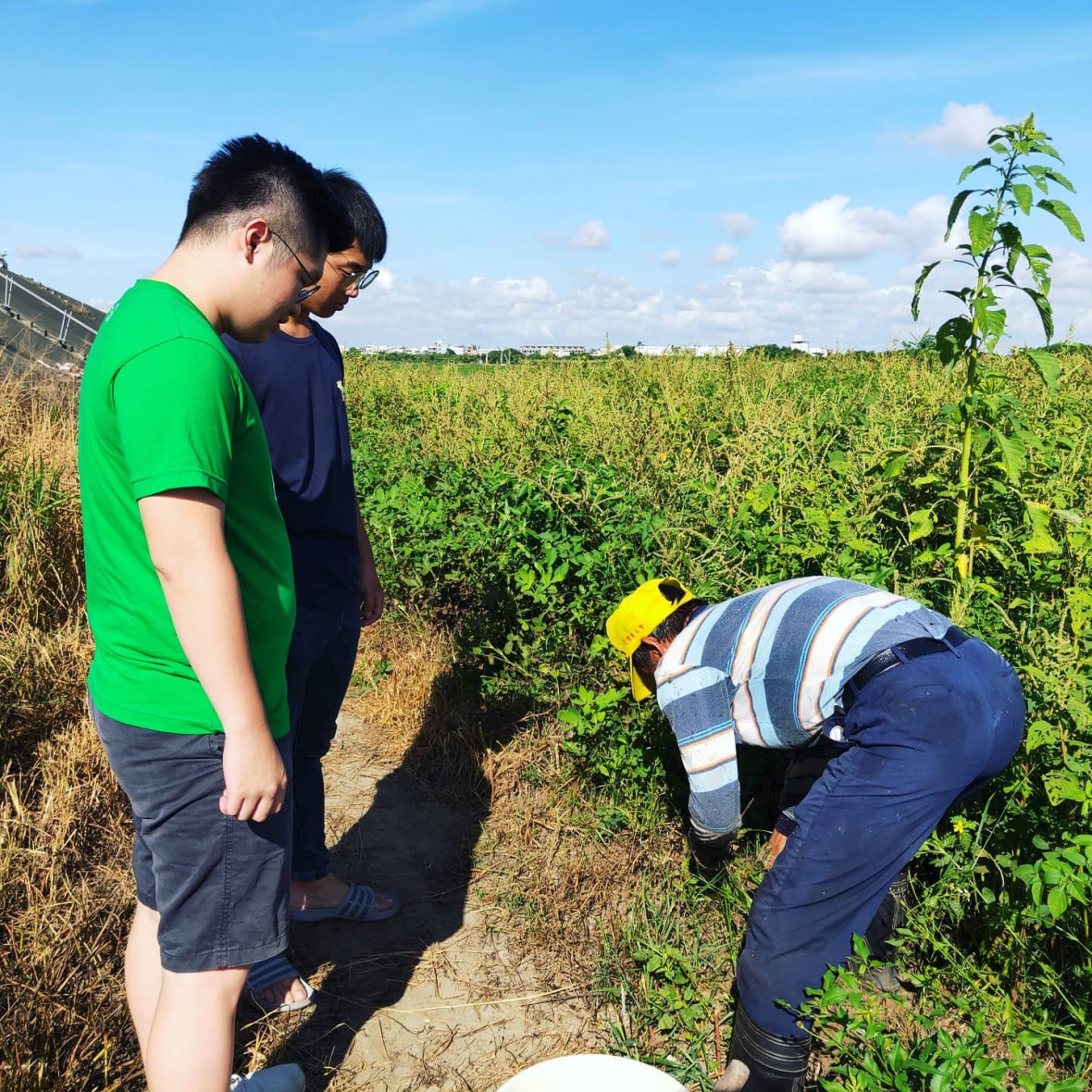
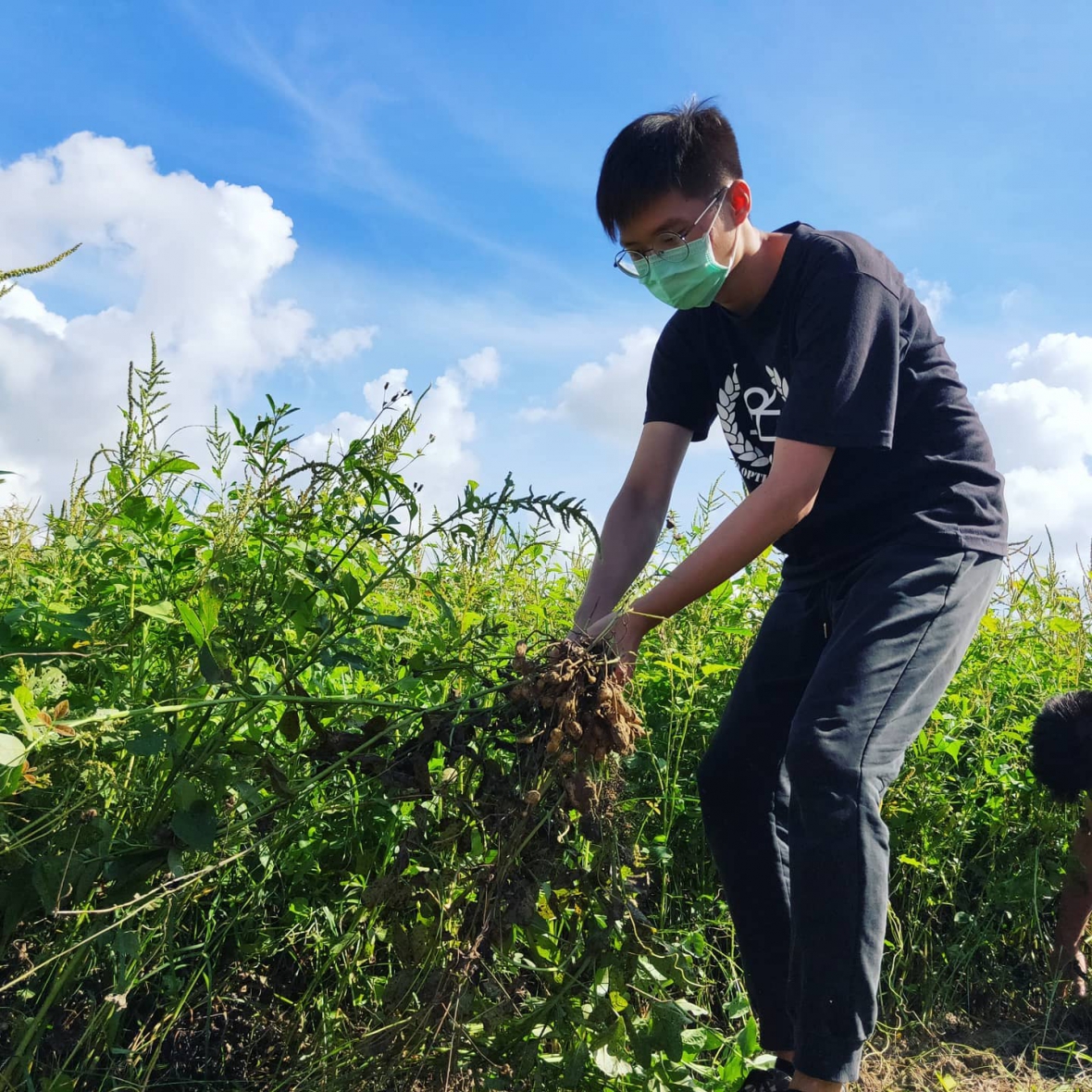
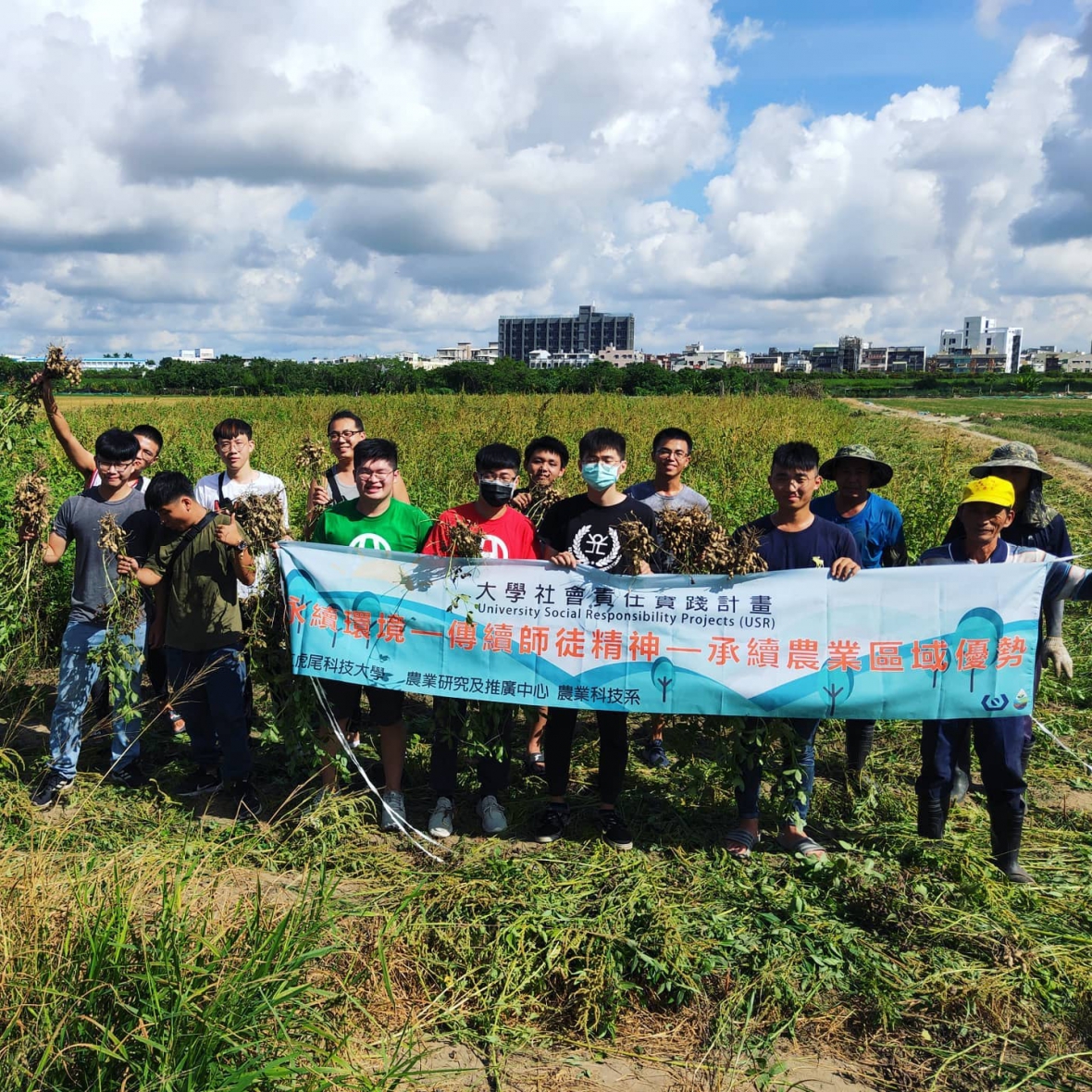
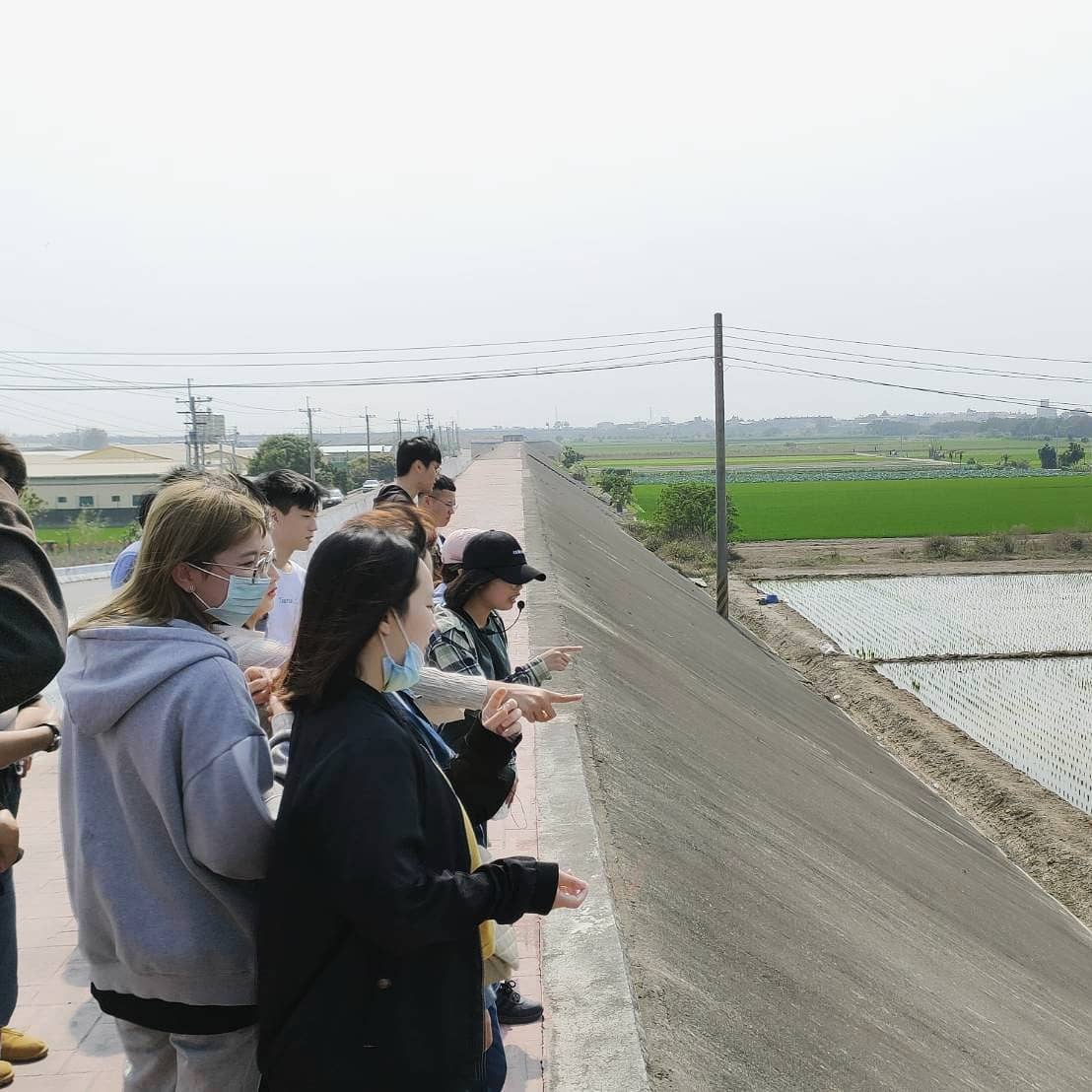
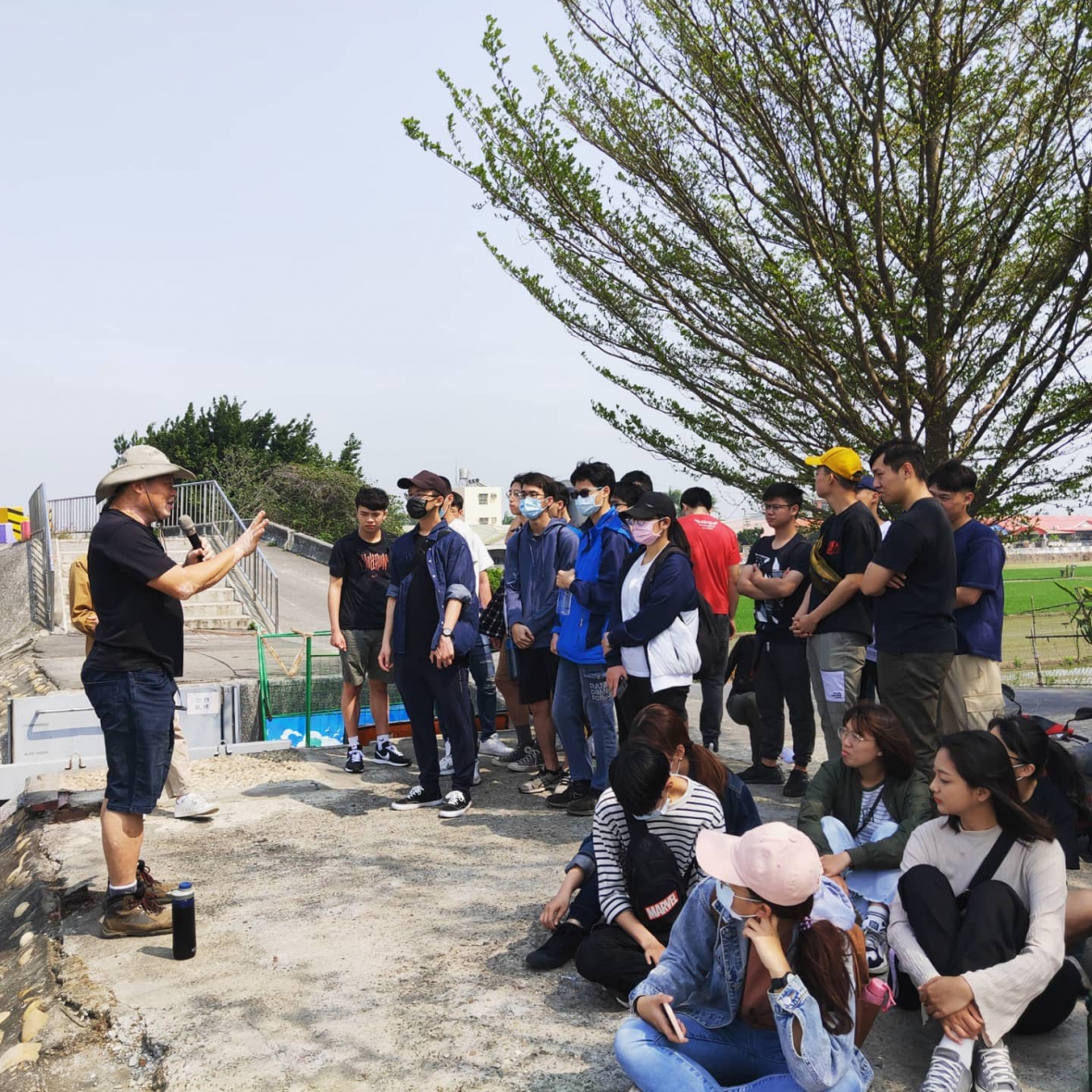
(2)Community Field Investigation, Ecological Guided Tours, Farming Experience, and Special Visits: The course includes community field investigations and ecological guided tours, allowing students to visit Xingnan Village and Kendi Village in Huwei Township to gain an in-depth understanding of local culture and characteristics. Each semester features different combinations of outdoor courses. Through sharing sessions by local professionals, students gain authentic learning experiences.
(3)Interpersonal Communication and Social Learning: This course is not only a learning process but also a bridge connecting students with the community. By integrating theory and practice, students deepen their sense of identity with local society while exploring rural areas. Although communication challenges may arise during the process, under the guidance of instructors and teaching assistants, students gradually improve mutual understanding and cooperation, ultimately forming a supportive learning community that grows together.
(4)Final Community成果 Exhibition: Through activity design and interaction, students build emotional connections with local agriculture and society. Local residents and students from nearby elementary schools are invited to participate in the activities designed by the students. As a result, the course extends beyond learning and further deepens understanding of local agricultural products and culture, becoming a continuation of practice and community engagement.
2. Implementation Method: The course is divided into two learning environments: indoor classes (classroom) and outdoor classes (community). Indoor classes combine presentation materials with local guest speakers to present knowledge related to local agriculture and community culture. Outdoor classes emphasize hands-on practice and assignments, allowing students to learn by doing while practicing teamwork, communication, and collaboration skills.
3. Implementation Locations: Xingnan Village, Huwei Township (entire Xingnan Village area, Xingnan Organic Promotion Center, Fengtay Cultural and Educational Foundation) and Kendi Village, Huwei Township (Maguang Organic Group Cultivation Area, Kendi Community Activity Center, Guangfu Elementary School).
(1) Kendi Village Field Investigation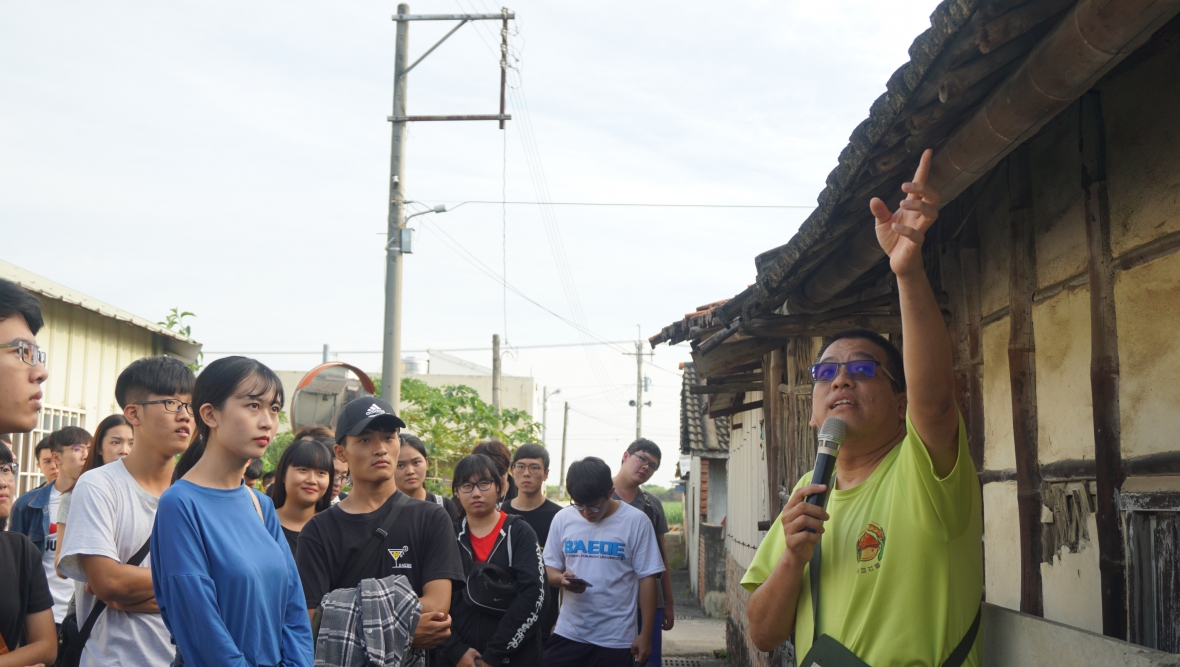
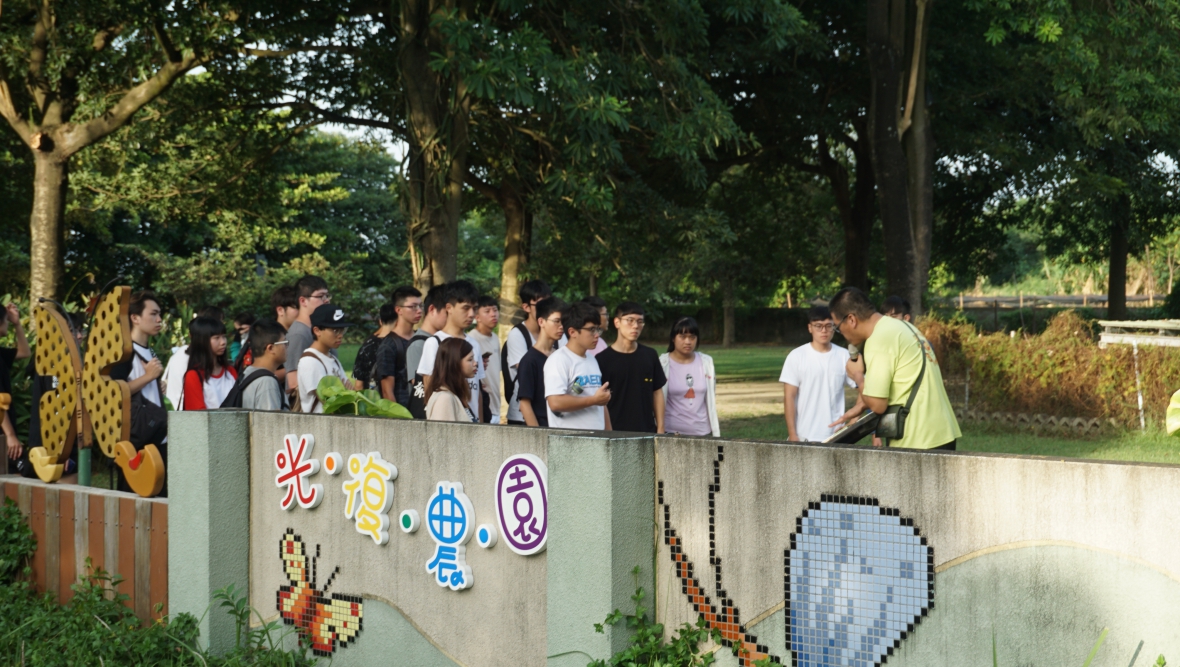
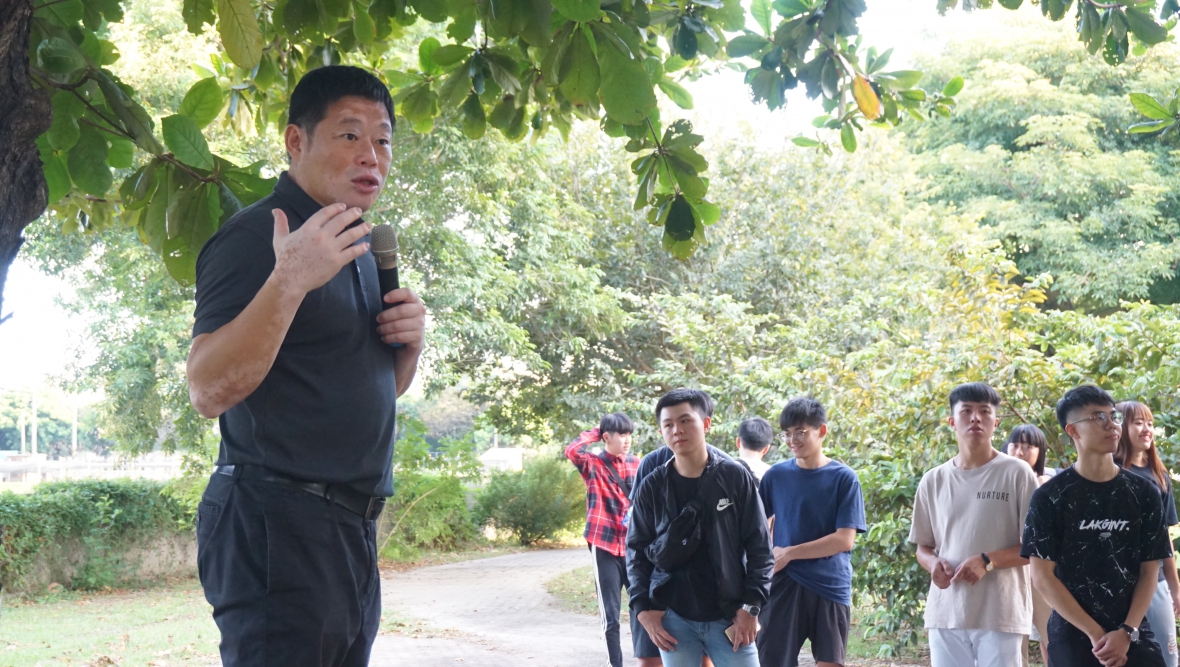
(2) Xingnan Village Field Investigation
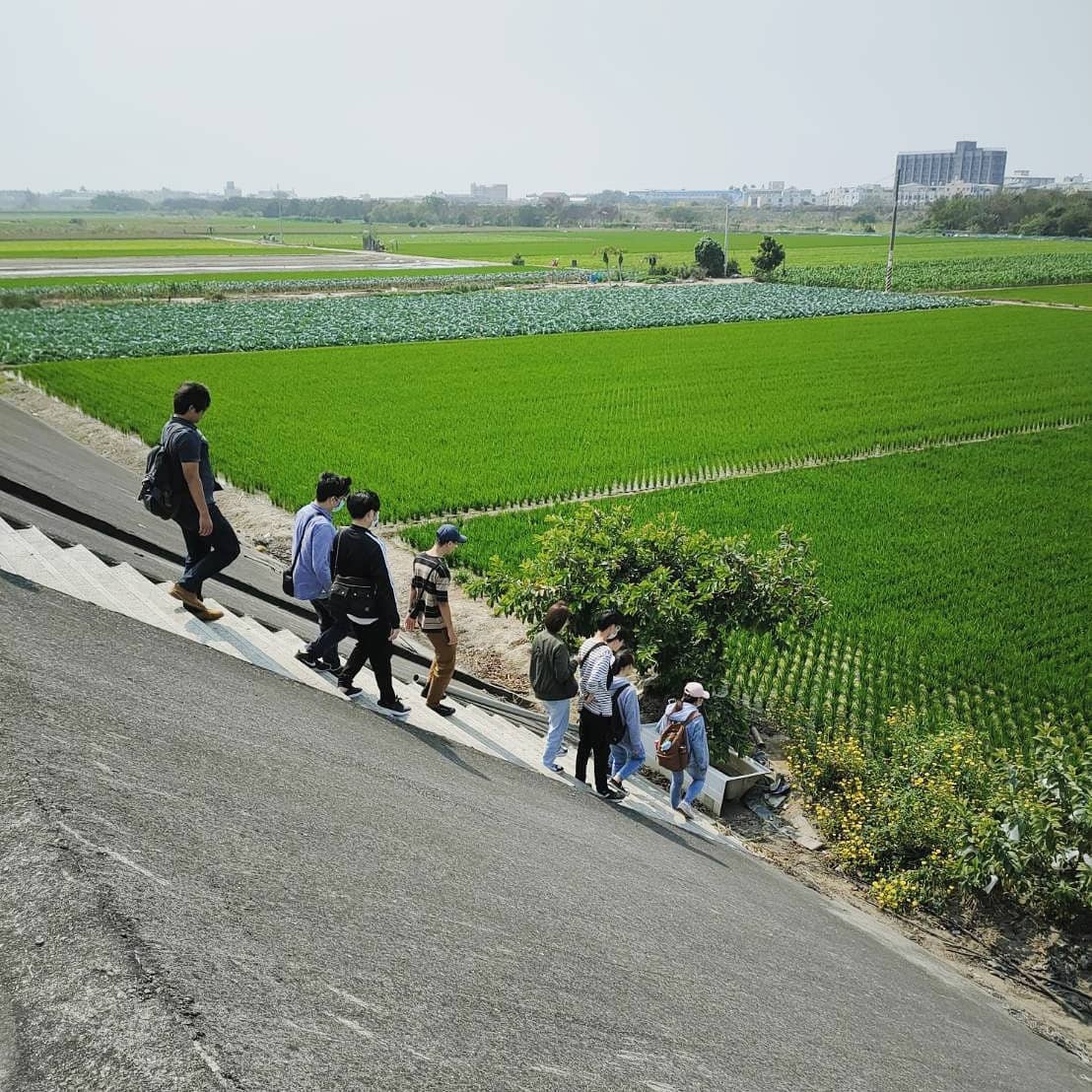
(3) Farming Experience